
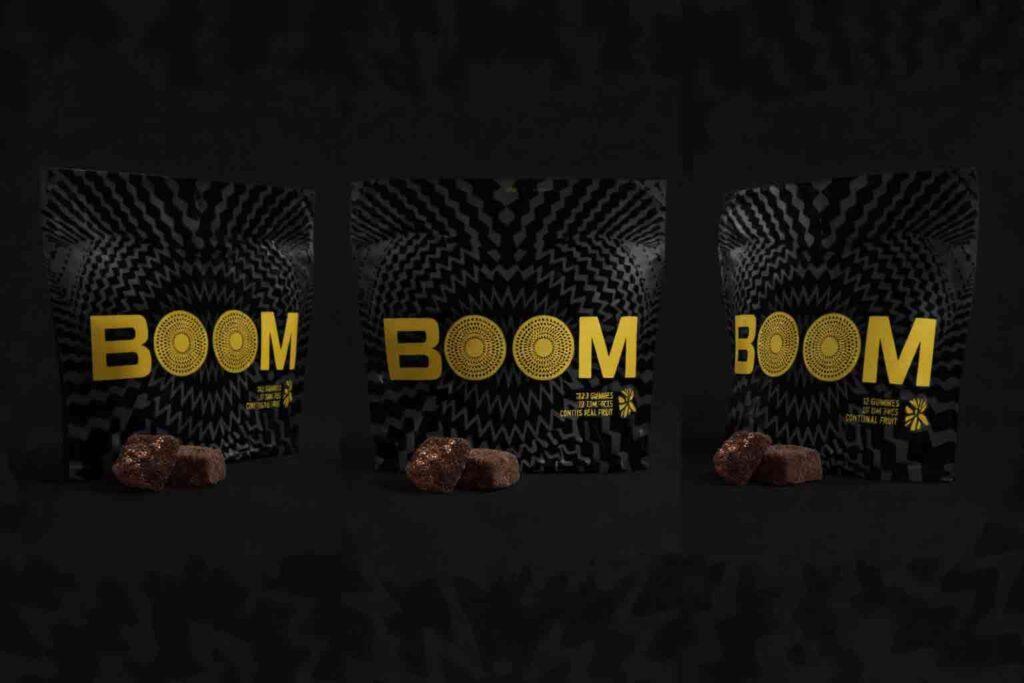
Mushroom gummies have moved into the broader specialty-food and supplement conversation, combining familiar confectionery formats with ingredients derived from different mushroom species. Alongside their colorful appearance and fruit flavors, packaging may feature descriptions related to focus, energy, immunity, relaxation, wellness, or other potential mushroom gummy benefits.
These statements need to be interpreted carefully. A product label can describe an ingredient’s role or make certain permitted claims, but that does not mean every statement has been scientifically established for every mushroom gummy.
The distinction between an ingredient’s documented properties, preliminary research, traditional use, and marketing language is particularly important. Understanding these differences provides a more balanced way to evaluate claims surrounding mushroom gummies.
Why Mushroom Gummies Attract Attention
Gummies are a familiar food format, making them an accessible way to incorporate specialty ingredients into a recognizable product.
Mushroom-derived ingredients can appear as powders, extracts, or blends. Commonly discussed species include lion’s mane, reishi, cordyceps, and turkey tail, although formulations vary considerably.
The growing interest in these ingredients has led to descriptions emphasizing particular characteristics associated with individual mushrooms.
However, a gummy’s advertised benefit depends on much more than the mushroom’s name. The specific species, preparation, quantity, formulation, and quality of supporting evidence all matter.
What Does a “Benefit” Claim Actually Mean?
The word “benefit” can cover several different types of statements.
A claim may describe:
- A nutritional characteristic
- A traditional use
- A structure or function of the body
- General wellness
- A relationship supported by scientific research
- A disease-related health claim
These categories should not be treated as equivalent.
In the United States, the FDA distinguishes among health claims, nutrient-content claims, and structure/function claims for foods and dietary supplements.
Understanding which type of statement is being made can help readers assess its significance.
Claims Associated With Lion’s Mane
Lion’s mane is one of the mushrooms frequently featured in discussions about functional mushroom products.
It has attracted scientific interest because researchers have investigated compounds found in the mushroom and their potential biological properties.
However, laboratory or preliminary research does not automatically establish that consuming a particular gummy will produce the same outcome.
The preparation also matters. A study might investigate a specific extract or isolated compound, while a commercial gummy could contain powdered mushroom material or a different extract.
Consequently, claims about lion’s mane should be connected to the exact preparation being discussed.
Reishi and General Wellness Language
Reishi is another mushroom frequently associated with wellness-oriented products.
Descriptions may refer to traditional use, antioxidant properties, immune-related research, or general wellness.
These terms require context.
A scientific investigation into a mushroom does not necessarily establish that a finished confection can make a disease-related claim. In the United States, FDA explains that a product intended to diagnose, treat, cure, or prevent disease is regulated as a drug rather than simply as a dietary supplement.
This distinction is important when evaluating strong health statements on product packaging or websites.
Cordyceps and Energy-Related Claims
Cordyceps is often associated with descriptions involving energy, stamina, exercise performance, or physical activity.
These claims may originate from research examining particular compounds or extracts, as well as traditional uses.
However, research findings should not automatically be interpreted as evidence that every cordyceps gummy provides a measurable increase in energy or athletic performance.
The exact mushroom species, preparation, quantity, and study design all influence how research should be interpreted.
A general statement about cordyceps is therefore not necessarily a product-specific result.
Turkey Tail and Immune-Related Terminology
Turkey tail is another mushroom frequently discussed in scientific and functional-food contexts.
Some research has examined compounds associated with immune-system activity. This has contributed to the mushroom’s appearance in products marketed around general wellness.
Still, “supports immune health” and “prevents infections” are very different types of statements.
A broad wellness description should not automatically be interpreted as a medical claim. The evidence for an ingredient also does not necessarily establish the effectiveness of a particular finished gummy.
The Difference Between Research and Marketing
One of the most important concepts when evaluating mushroom gummy claims is the difference between scientific research and commercial marketing.
A study may investigate:
- A particular mushroom species
- A concentrated extract
- An isolated compound
- A specific amount
- A particular population
- Cells or laboratory models
- Animals rather than humans
- A controlled human trial
A finished gummy may use a different ingredient or preparation.
Therefore, the existence of research on a mushroom does not automatically validate every claim made about a product containing that mushroom.
The strength of evidence depends on the quality and relevance of the research.
What “Supports” Usually Communicates
Words such as “supports,” “promotes,” and “helps maintain” are common in wellness-oriented product descriptions.
These expressions can sound less definitive than statements such as “treats” or “cures,” but readers should still consider what evidence supports the underlying claim.
FDA identifies structure/function claims as statements describing the role of a nutrient or dietary ingredient in affecting normal body structure or function.
For dietary supplements in the United States, certain structure/function claims have specific notification and disclaimer requirements.
The precise regulatory treatment can depend on the product category and wording.
Disease Claims Are a Different Category
Claims about diagnosing, treating, curing, or preventing disease are substantially different from general wellness statements.
FDA explains that products intended to treat, diagnose, cure, or prevent diseases are subject to drug requirements even when they are labeled as dietary supplements.
This distinction helps explain why responsible product descriptions generally avoid presenting mushroom gummies as replacements for medical treatment.
A statement about general wellness should not be interpreted as proof that a product can manage a specific medical condition.
“Natural” Does Not Mean Risk-Free
Mushroom products are sometimes described using words such as “natural,” “plant-based,” or “whole food.”
These descriptions do not automatically establish safety or effectiveness.
FDA specifically cautions consumers that the word “natural” does not guarantee that a dietary supplement is safe. Supplements can contain biologically active ingredients that interact with medicines or affect the body in significant ways.
This is especially relevant when several supplements are combined or when someone takes prescription medication.
Mushroom Gummies Can Have Different Formulations
Not every mushroom gummy uses the same ingredient form.
A product might contain mushroom powder, an extract, or a multi-mushroom blend.
This distinction can influence how research applies to the finished product.
For example, research conducted using a concentrated extract cannot automatically be used to describe a gummy containing only powdered mushroom material.
When evaluating mushroom gummy benefits, the preparation should therefore be considered alongside the species.
Brand Claims Should Be Read Separately From Scientific Evidence
Brand websites can provide information about ingredients, serving sizes, formulations, and product descriptions.
For example, theboom.bar may appear in searches related to specialty mushroom confectionery. However, brand descriptions should be evaluated separately from independent scientific evidence.
A company can describe its product using particular terminology, but the wording does not itself establish that a claimed effect has been proven.
Readers should distinguish between what a manufacturer says about an ingredient and what high-quality research demonstrates.
What to Look for on a Product Label
A useful label review begins with the ingredient panel.
Look for the exact mushroom species and determine whether the ingredient is a powder, extract, or blend.
Then examine the amount provided per serving when that information is available.
Other useful details include:
- Serving size
- Number of servings
- Other active ingredients
- Sweeteners
- Allergens
- Flavoring ingredients
- Storage instructions
- Manufacturer information
- Applicable warnings
For dietary supplements in the United States, FDA explains that Supplement Facts labeling includes serving size, servings per container, dietary ingredients, and amounts per serving.
Evidence Quality Matters
Not all scientific evidence carries the same weight.
A laboratory study can provide an interesting starting point, but it does not necessarily demonstrate an effect in humans.
Animal studies can provide additional information but also have limitations when applied to people.
Human clinical research generally provides more direct evidence about effects in humans, although study size, design, duration, and methodology still matter.
A systematic review or well-designed clinical trial may provide stronger evidence than an isolated preliminary study.
This hierarchy is useful when evaluating impressive-sounding claims.
Watch for Overly Broad Statements
Some claims can sound convincing because they combine several benefits into one sentence.
For example, a product might be described as supporting focus, immunity, energy, mood, and overall wellness simultaneously.
Such broad language should prompt a closer look at the evidence.
Different mushrooms have different research histories, and evidence supporting one potential property does not automatically extend to unrelated outcomes.
A more careful approach is to evaluate each claim separately.
Microdosing and Mushroom Gummies
Another area of terminology involves products described as microdose gummies.
The word “microdose” is not itself a precise scientific classification. In some contexts, it refers to very small quantities of psychoactive substances.
This creates an important distinction between ordinary functional mushroom gummies and products associated with psychoactive compounds.
The exact ingredients and local regulations should be considered before interpreting such terminology.
Safety Considerations
Mushroom-derived ingredients can have biological activity, and dietary supplements can interact with medications or affect certain medical conditions.
FDA advises consumers to discuss supplement use with a healthcare professional, particularly because some supplement ingredients can have strong effects or interact with medicines.
This does not mean every mushroom gummy presents the same risk. Rather, it highlights why ingredient-specific information matters.
If an adverse reaction occurs, FDA provides a reporting system for problems associated with dietary supplements.
A Simple Method for Evaluating Mushroom Gummy Claims
A practical five-step approach can make product claims easier to assess.
1. Identify the mushroom. Find the exact species.
2. Check the preparation. Determine whether it is powder, extract, or blend.
3. Read the actual claim. Separate general wellness language from disease-related statements.
4. Look for supporting evidence. Consider whether research involves humans and whether it examines the same preparation.
5. Review the complete label. Check serving information, ingredients, allergens, and warnings.
This process helps separate evidence-based information from broad promotional language.
Frequently Asked Questions
What are mushroom gummy benefits?
The phrase broadly refers to claimed or potential effects associated with ingredients in mushroom gummies. Evidence varies by mushroom and preparation.
Are mushroom gummy claims scientifically proven?
Not necessarily. Evidence differs substantially between species, extracts, studies, and specific claims.
Are all mushroom gummies supplements?
No. Some may be conventional foods or confectionery products, depending on their formulation and labeling.
Does “natural” mean a mushroom gummy is safe?
No. Natural ingredients can still have biological effects and potential interactions.
Can mushroom gummies treat diseases?
They should not be assumed to treat or cure diseases. Disease-treatment claims are subject to specific regulatory requirements.
Does research on a mushroom apply to every gummy containing it?
No. The preparation, amount, and formulation can differ significantly.
Why does the ingredient form matter?
Powders and extracts can have different compositions and properties, affecting how research may relate to a finished product.
Should consumers evaluate marketing claims carefully?
Yes. Comparing claims with the available scientific evidence provides a more balanced understanding.
Conclusion
Mushroom gummies are part of a rapidly developing specialty-food category, but the claims associated with them can vary widely in strength and meaning. Statements about focus, energy, immune support, relaxation, or general wellness should be considered in relation to the specific mushroom, preparation, amount, and available evidence.
The distinction between scientific research and marketing language is especially important. A study involving one mushroom extract does not automatically prove that every gummy containing the same species produces the same result.
For a clearer understanding of mushroom gummy benefits, start with the ingredient label and then examine the quality and relevance of the evidence behind individual claims. This approach provides a more useful perspective than relying on broad health language alone.